ASL Socials:
Reimagining Librarianship: Purpose, Practice, and Possibility
We are delighted to announce our excellent Keynote speakers for the ASL 2026 conference, Liz Jolly and Niamh Tumelty.
In her keynote, Liz Jolly will reflect on the evolving purpose, practice and possibilities of contemporary librarianship. Drawing on her extensive leadership experience across academic and national libraries, she will explore topics such as how libraries can reimagine their roles, respond to change, and continue to shape learning, teaching and research in meaningful ways.
In the afternoon, Niamh Tumelty will be in conversation with Cathal McCauley in what promises to be a lively and wide-ranging discussion. Drawing on her unique breadth of professional experience, this session offers a real opportunity to gain insight into the key issues and themes currently shaping libraries, viewed through the lens of a career spanning diverse roles.
Keynote Speakers
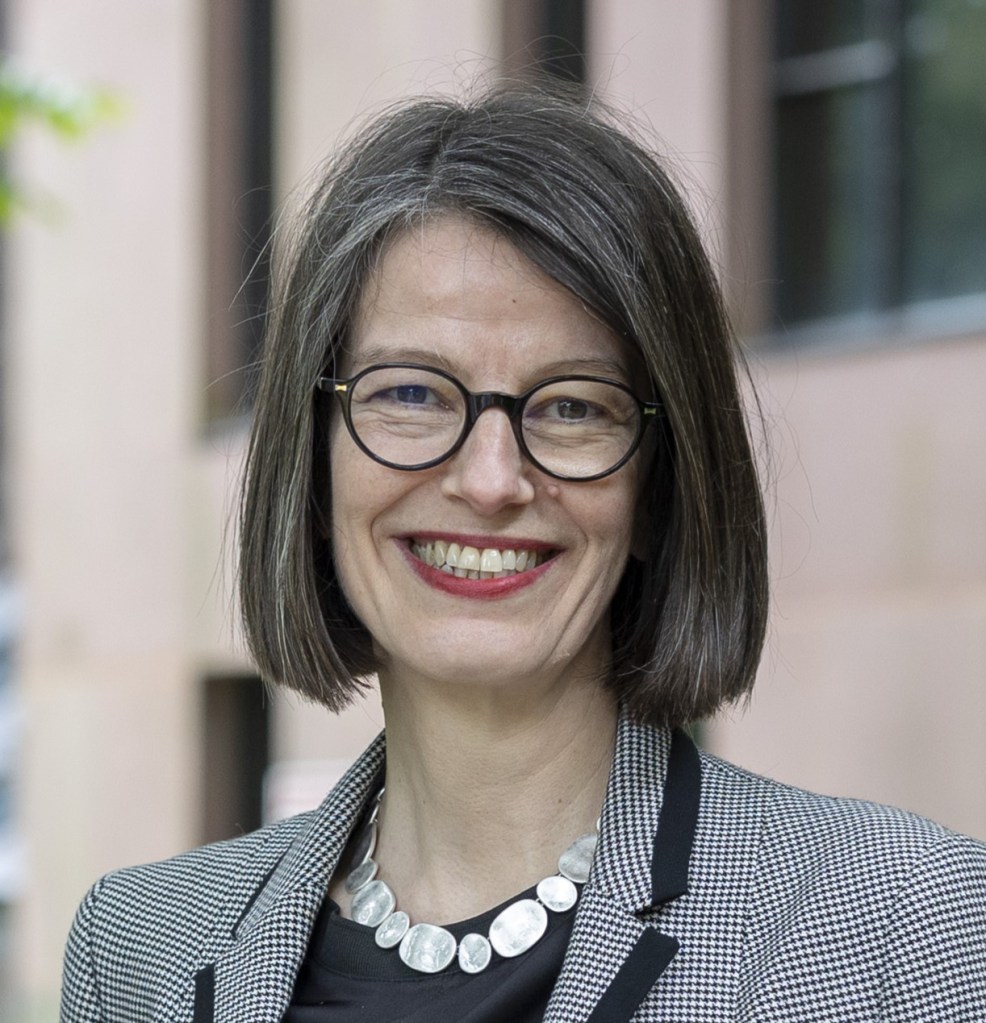
Liz Jolly
Title and Abstract to follow
Biography
Liz Jolly is University Librarian at University College Cork where she leads library teams developing and delivering support, spaces and resources to enable and enhance the university’s learning, teaching and research.
Liz has a long career in leadership in university and national libraries, most recently as Chief Librarian of the British Library from 2018 to 2025. Immediately prior to this, she served as Director of Library and Information Services and then Director of Student and Library Services at Teesside University (2008-18). She has experience in a number of other academic and university settings including the University of Salford, the University of East London and London South Bank University and she was a Governor of the University of Portsmouth from 2020-2025.
Liz is a past chair and trustee of SCONUL (Society of College, National and University Libraries – the professional association for academic and research libraries in the UK and Ireland) and is a fellow of CILIP, the Chartered Institute of Library and Information Professionals (FCLIP). She is a current Trustee of CILIP and a visiting professor in the Department of Computer and Information Sciences at the University of Strathclyde. An honorary professor in Teesside University, Liz is an Advance HE Principal Fellow (PFHEA).
Liz Jolly’s Social Media Contacts:
Niamh Tumelty
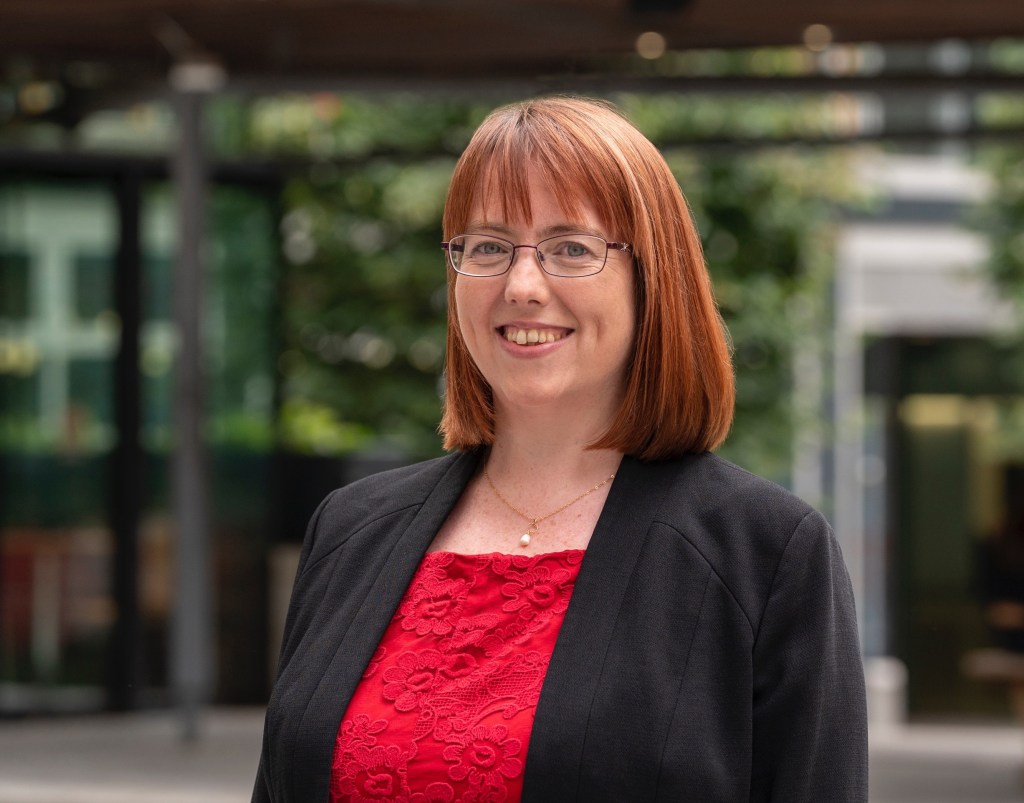
A Conversation with Niamh Tumelty
ABSTRACT
Join Niamh Tumelty and Cathal McCauley for a conversation about Niamh’s library journey, from the Contemporary Music Centre to An Chomhairle Leabharlanna and across to the University of Cambridge and the London School of Economic & Political Sciences. Expect topics such as academic liaison, open research, library publishing, transferability of library skills and university-wide transformation – let’s see where the questions take us!
Biography
Niamh Tumelty is Director of LSE Library, which includes the role of Managing Director of LSE Press. Niamh’s approach centres around the design of spaces, collections, policy and services based on deep understanding of the needs of differing disciplines, and she has a particular interest in what open social science would look like if designed from this perspective. She is currently seconded as the internal lead for the Operations Excellence Programme, which aims to increase efficiency and effectiveness of professional services across LSE.
Niamh Tumelty’s Social Media Contacts:
Cathal McCauley
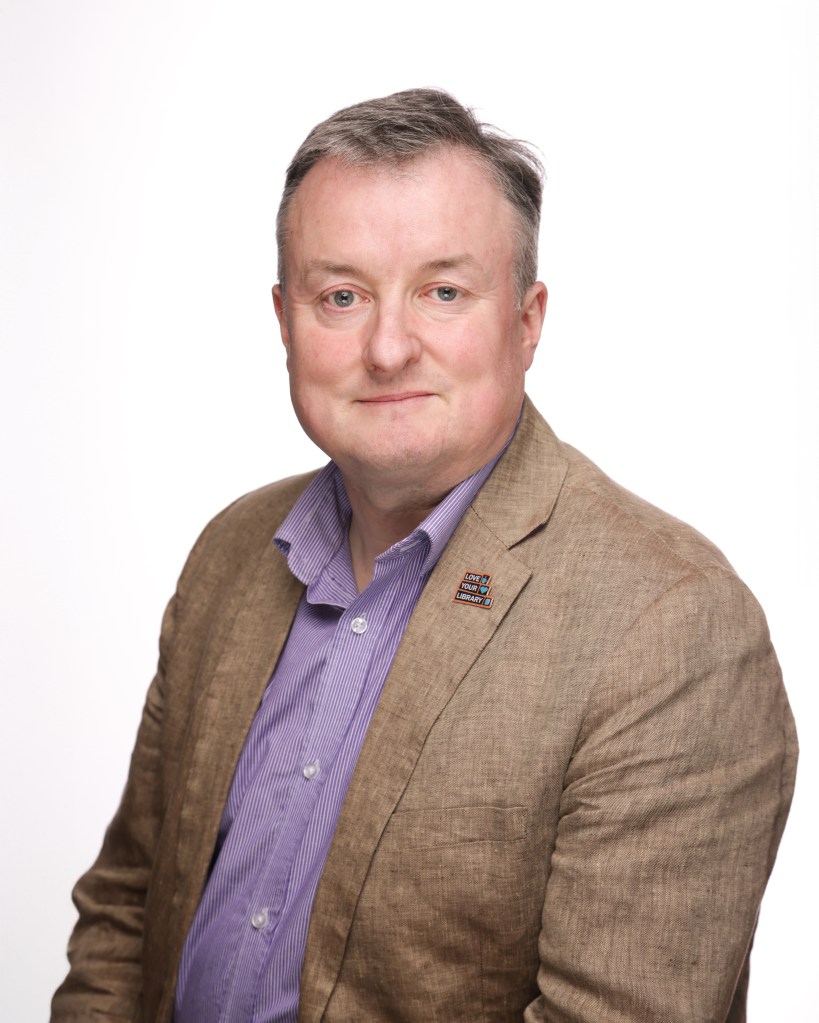
Cathal McCauley will be facilitating ‘A Conversation with Niamh Tumelty’, guiding the discussion to help explore Niamh’s wide range of experiences and insights, ensuring a thoughtful and engaging exchange.
Biography
Cathal McCauley is University Librarian at Maynooth University since 2008. He previously held a number of roles in University College Dublin (UCD) Library. Prior to joining UCD he worked for the accountants and management consultants FGS (now Grant Thornton) where he held a variety of posts including Director of Consulting. Cathal led the design and delivery of a €20 million award-winning library extension which was officially opened in 2013. He was President of the Library Association of Ireland (LAI) 2021 – 2023 and is co-chair of the LAI’s #ebookSOS task force. He was the founding Director of the Irish University Libraries Collaboration Centre (IULCC) which oversees the national IReL e-resourcing and open access initiative and is a member of the Governance Committee. He has held a number of other national roles including Chair of the Irish Universities Association Librarians’ Group (IUALG) and Treasurer of the Consortium of National and University Libraries in Ireland (CONUL). Cathal was a member and officer of the IFLA Library Buildings and Equipment Section Committee (2016 -2023). He was co-chair of the IFLA WLIC 2022 held in Dublin. He has a track record of reimagining and innovation across a range of areas including technology, inclusiveness and digital rights.
Cathal McCauley’s Social Media Contacts:
Speakers
Jane Buggle, IADT
Diamond Ireland: Advancing Diamond Open Access Scholarly Publishing in Ireland
Diamond Ireland is a National Open Research Forum (NORF) funded project which aims to build the network, capacity, and sustainability of the pilot national Diamond OA publishing platform, Diamond Ireland Press. Diamond Ireland builds on the foundations laid by the earlier NORF-funded PublishOA project. The project is led by Dr Frank Houghton (TUS) and Dr Johanna Archbold (ATU).
The key deliverables of the Diamond Ireland project will include the Diamond Ireland Hub of resources on Diamond OA publishing, a bibliodiversity and publishing ethics consultation and report, a bibliodiversity toolkit, a Diamond OA publishing summit, an OA book publishing microgrant scheme, publisher/journal engagement and expansion, governance framework structure and terms of reference, Diamond Ireland Hub business plan, a tiered partnership model, and sustainable funding strategy. The Diamond Ireland Press will also include a discovery layer for all Diamond OA journals and books published in Ireland whether or not they are published on Diamond Ireland Press.
This presentation will demonstrate the relevance and significance of the Diamond Ireland project for all stakeholders in scholarly publishing in Ireland.
Biography
Jane Buggle is the Institute Librarian at the Institute of Art, Design + Technology in Dublin. She is the Convenor of the IFLA Library Publishing Section and the Co-Founder and Manager of the IOAP (Irish Open Access Publishers) Community of Practice. She is the Managing Editor of the new IADT Journal of Research + Creativity. She is on the Advisory Boards of the Open Institutional Publishers Association (OIPA), the Health Sciences Library Journal, and the DBS Applied Research and Theory Journal. Jane is a partner on the NORF-funded Diamond Ireland Project on which she is Co-Lead of WP2. She is a member of the Library Association of Ireland and of the newly merged LAI Open Scholarship and Library Publishing Group.
Stephanie Chen, University College Cork
What Does Librarianship Mean to You? Putting Your Values Into Practice.
As libraries navigate rapid social and technological change, the values that guide library staff are more important than ever. But do the lived values of library staff today align with the values articulated by national library associations? Through guided reflection and interactive activities using online tools (for example, Padlet, Vevox), attendees will identify the values that shape their own professional purpose and articulate their own understanding of what librarianship means. Building on this collective exploration, the session will present a thematic and textual analysis of national codes of ethics for librarians from Ireland and across the world to allow attendees to reflect if their values align with those espoused by library associations.
The session will finish by translating insights into action, offering practical examples of how values can inform daily practice, from small, intentional choices to larger projects. Attendees will leave the session with a better understanding of their own professional identity, a shared definition of librarianship co-created during the session, and ideas for putting values into practice.
Biography
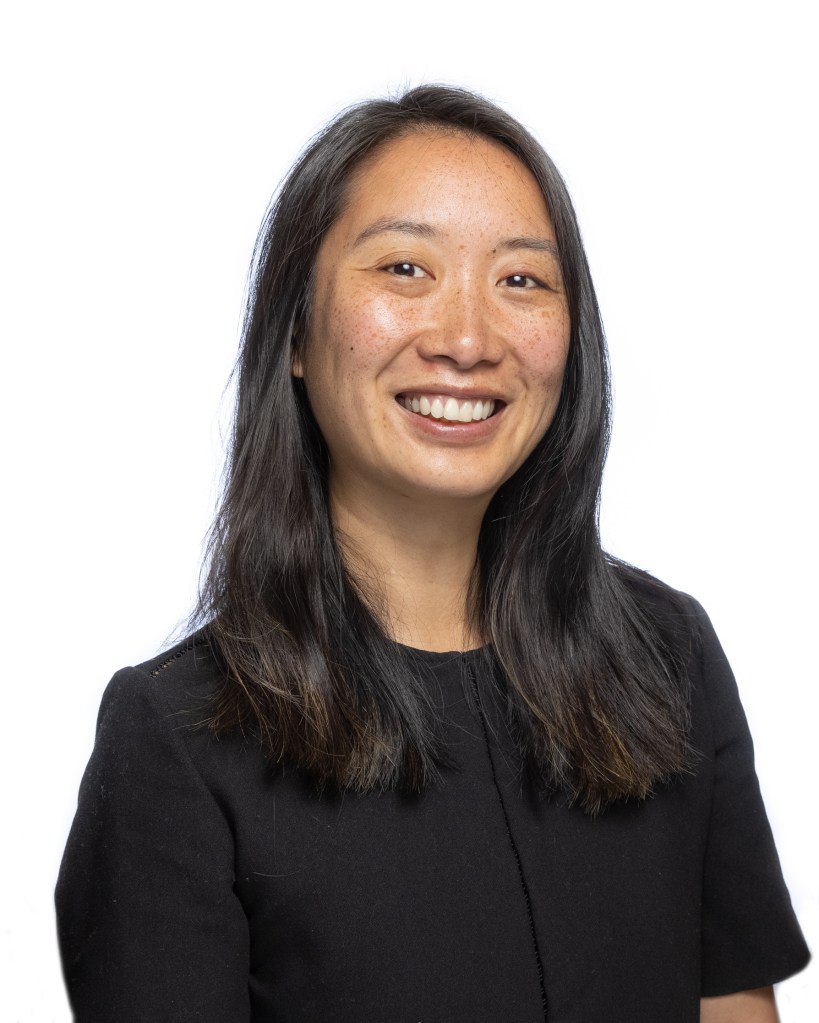
Stephanie Chen is currently Learning & Teaching Librarian in University College Cork Library. Prior to this role, she was the Digital Learning Specialist in UCC Library. Previously, she has been a solo Librarian at the Royal Society of Antiquaries of Ireland (RSAI) in Dublin, a Library Assistant in Cork Institute of Technology Library, and a Library Assistant in UCC Library in the Services Desk Team. She holds an MSc in Information and Library Management from Dublin Business School.
Dr Bláithín Hurley, Waterford Library/The Open University
Custodianship and Collaboration: Reimagining Anglican Diocesan Libraries as Special Collections
Irish Anglican diocesan libraries occupy an ambiguous position within Ireland’s library and heritage landscape: neither fully embedded in professional library networks nor entirely separate from them. This case study examines four historic diocesan libraries within the Diocese of Cashel, Ferns and Ossory to explore how librarianship can be reimagined through changing understandings of purpose, practice and possibility.
Using examples from Christ Church Cathedral, Waterford City; St Canice’s Cathedral, Kilkenny; St John the Baptist’s Cathedral, Cashel; and St Carthage’s Cathedral, Lismore, Co. Waterford, she will discuss practical responses to risk, resource constraint, and governance gaps. Three collections were transferred to third-level institutions, where professional cataloguing, conservation, and environmental control ensured their survival. These outcomes demonstrate the value of cross-sector collaboration but also highlight tensions around access, local identity, and the loss of contextual meaning. In contrast, the Cotton Library remains in situ, revealing both the vulnerabilities and unrealised potential of collections without sustained professional oversight.
This case study provides a lens through which to reconsider the contemporary purpose of Anglican Diocesan Libraries. Rather than viewing them as static legacies, it proposes practice-based, collaborative models that position historic libraries as active resources for research, education, and community engagement within a reimagined librarianship framework.
Biography
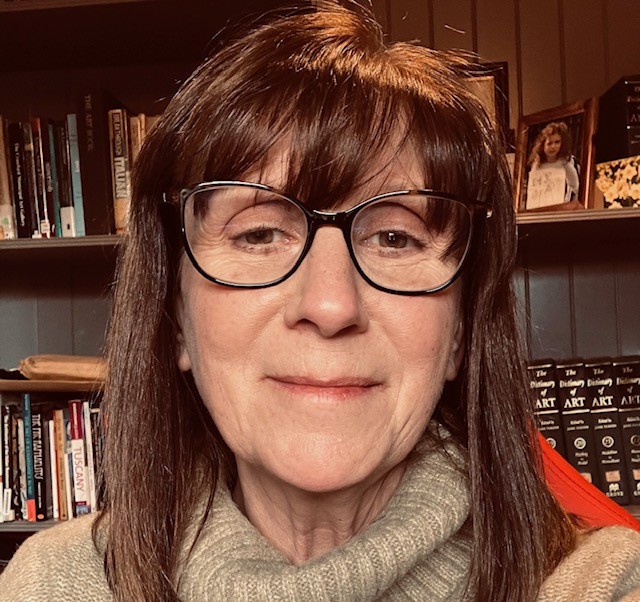
Dr Bláithín Hurley holds a PhD from the University of Cambridge, an MA from the University of Warwick, and a BAMus and PG Cert (Education) from University College Cork, as well as a PG Dip LIS from Aberystwyth University. She is an Associate Lecturer in the Faculty of Arts and Social Sciences at the Open University and a Librarian with Waterford Library Services. Her research and publications span sixteenth-century Italian art to contemporary Irish libraries, with a forthcoming chapter in Tomb Monuments in Medieval Europe, Shaun Tyas Publishing, 2026.
Margaret Irons, School of Celtic Studies, DIAS
Expanding Legacy Publishing: Celtica Goes Open – Librarians Leading the Way
This case study engages with the conference theme of re-imagining librarianship through the lens of scholarly publishing. It examines the transition of Celtica, a long-established journal in Celtic Studies published by the Dublin Institute for Advanced Studies (DIAS), from a traditional print only model to a Diamond Open Access journal. While the traditional role of the Celtic Studies library has centred on the care, preservation, and interpretation of printed materials, this case study explores how that role is expanding to encompass open, digital forms of scholarly communication. The transition of Celtica to Diamond Open Access was driven by a desire to translate the fundamental values of librarianship—access, preservation, and scholarly integrity—from the physical collection into the digital publishing environment. Sustained library advocacy secured Institutional approval in 2022, leading to the publication of Issue 35 (2023) as the journal’s first freely available online issue via the DIAS Journals platform. Using Open Journal Systems (OJS), the library supported platform implementation, metadata creation, DOI assignment, and redesigned editorial workflows. This talk presents a vision of librarians honouring print stewardship while leading sustainable open access publishing.
Biography
Margaret Irons is Librarian and Repository Manager at the School of Celtic Studies, DIAS. The School is dedicated to the study of Irish and the other Celtic languages, both written and spoken, throughout their history, as well as related areas of cultural, social and legal history. The School publishes books and other online resources, and issues the annual journal Celtica. As librarian Margaret supports all scholars towards their research and publication work. Margaret served on the Academic & Special Libraries Section committee of the LAI from 2007 to 2013, including a term as Secretary from 2009 to 2011. She was a member of the LAI Rare Books Group committee from 2019 to 2025 and currently serves on the LAI Open Scholarship and Library Publishing Group committee.

Genevieve Larkin, Marino Institute of Education
Choosing What Matters: Enacting Library Values Through Strategy in a Small HE Library
Contemporary librarianship is increasingly shaped by constrained capacity, particularly limited staffing and ongoing institutional transformation. Within a wider context of rising user expectations and rapid change, librarians are required to make deliberate, values-informed and strategic decisions about what can be sustained, prioritised, or deferred.
This case study reflects on a period of service development and modernisation in a small HE library and considers what this work reveals about the purpose and practice of librarianship today. It examines developments across digital infrastructure, collections strategy, teaching and research support, physical space, and organisational culture, returning to questions of how library values are expressed under pressure, constrained in practice, and prioritised when resources are finite. Examples include user-led service and space redesign, migration of core library systems, demand-led purchasing, and the consolidation of information literacy provision into sustainable models.
The discussion foregrounds tensions shaping decision-making, including access versus affordability, ambition versus sustainability, and competing demands for library space as both collection and student “third space”. Rather than pursuing expansionist models, values such as equity of access, user participation, care, and professional integrity were enacted through strategic prioritisation and clear limits on service scope. Reimagining librarianship today is less about doing more, and more about making deliberate, values-informed strategic choices in everyday practice.
Biography
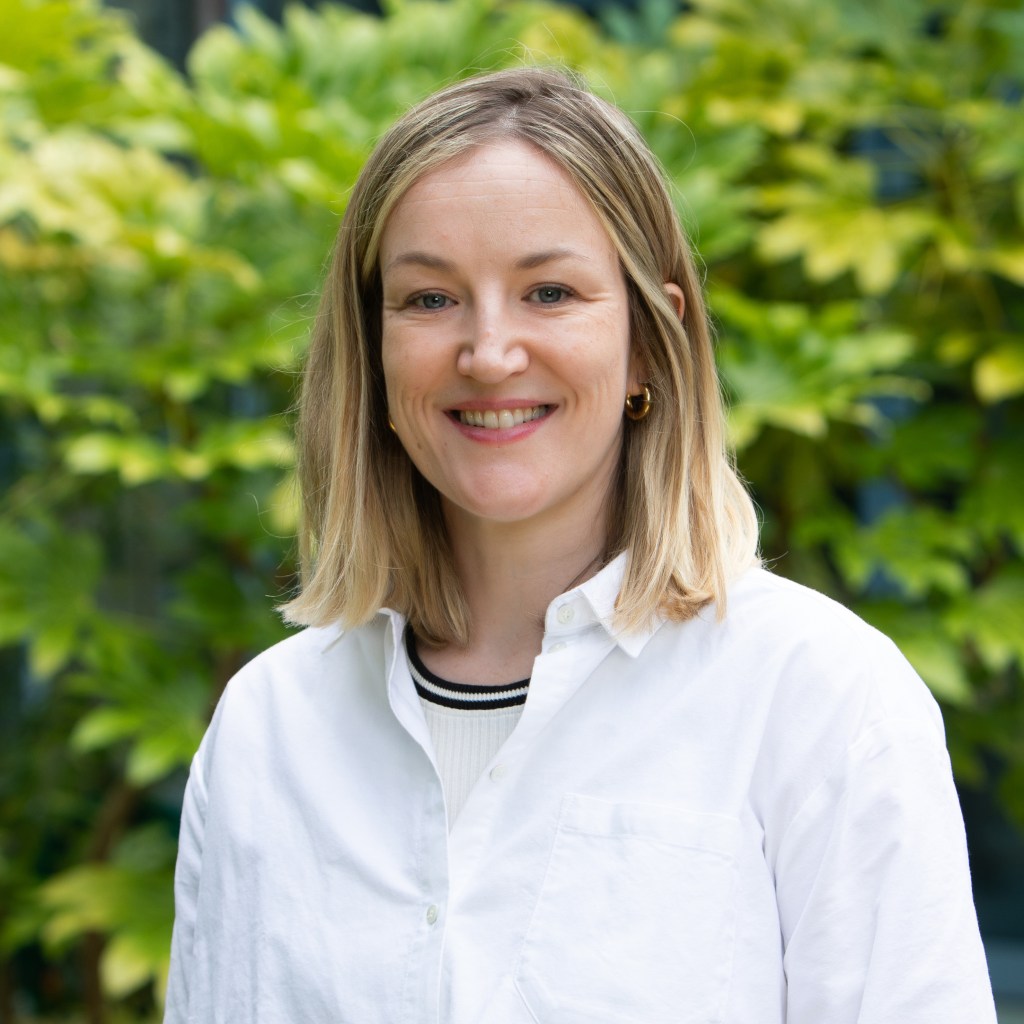
Genevieve Larkin is the Head of Library Services at Marino Institute of Education. She began working in public libraries in 2006 and qualified as a Librarian in 2014, while working in the Library of St. Patrick’s College. She joined Marino Institute of Education Library in 2015 as the Assistant Librarian and became Head of Library Services in 2019, overseeing a wide range of Library services. She has an M.A. in Comparative Literature from D.C.U. and a P.G. Diploma in Higher Education from T.C.D. She was awarded an Associateship of the Library Association of Ireland in 2017. She served as Secretary of the Career Development Group of the Library Association of Ireland from 2015-2017 and joined the Academic and Special Libraries Committee in 2019 where she has served as Treasurer for several years. She has also recently joined the LAI Open Scholarship and Library Publishing Group.
Dolores Mee, Maynooth University
Building Ethical Futures: The Rainbow Library Network and the Evolving Mission of Libraries in a Diverse World
The ethical foundations of librarianship – equity of access, intellectual freedom, inclusivity, and community care – are being tested in an era marked by rising social polarisation and scrutiny of public cultural spaces. The formation of the Rainbow Library Network (RLN) within the LAI presents a decisive, ethically grounded response to these challenges. Established as the first LGBTQ+ network in the Association’s history, the RLN aims to foster a supportive, inclusive environment for LGBTQ+ and allied library professionals and patrons, while advocating for equitable representation and diversity within Irish library services.
In a context where far‑right agitation has led to harassment of library staff, threats of book removal, and attempts to censor queer literature, the RLN’s emergence underscores the vital role of professional networks in safeguarding both staff wellbeing and library collections. Through community-building, professional development, advocacy, and the sharing of best practices, the RLN demonstrates how libraries can enact their ethical mission not just through collections and services, but through the cultivation of resilient, inclusive professional communities.
This presentation will show that initiatives like the RLN provide a model for how library organisations can respond constructively to social challenges: by championing inclusivity, empowering marginalised voices, and reaffirming the library as a space of belonging for all.
Biography
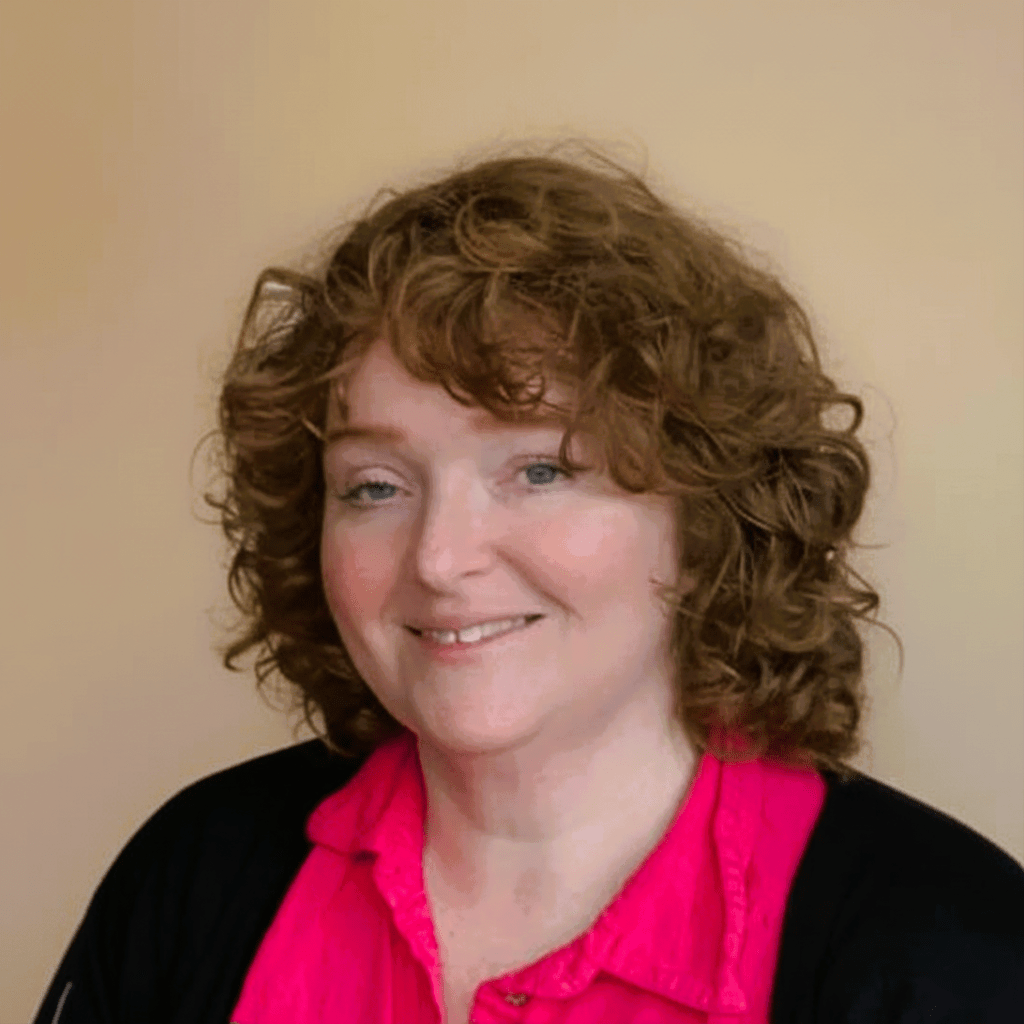
Dolores Mee is a Communications Officer based in IReL (Irish Research eLibrary), supporting member libraries and collaborating with stakeholders across Ireland’s research ecosystem. Prior to this role, she worked with the Kildare Library and Arts Service, bringing valuable public‑facing and community‑oriented experience to her work in the academic and research library sector.
Dolores is an active member of Ireland’s library community and has been involved in professional networking and advocacy efforts, including initiatives focused on strengthening representation and fostering inclusive communities within librarianship
Ann O’Sullivan, A&L Goodbody LLP
30 Years of Navigating New Information Landscapes: Purpose, Practice and Possibility – Relections on an Evolving Career
Over the past 30 years, the information landscape has undergone huge transformation – shifting from predominantly physical collections to increasingly complex digital environments shaped by emerging technologies. Throughout these transitions, the core purpose and values of librarianship have remained constant: to champion authoritative information and knowledge, to enable access and to support informed decision making.
During this presentation Ann will reflect on her career from UCD to ALG – a career spent navigating this changing landscape and will explore how professional practice is continually evolving and is reshaped by new expectations, new technologies and new ways of engaging with and consuming information.
Biography
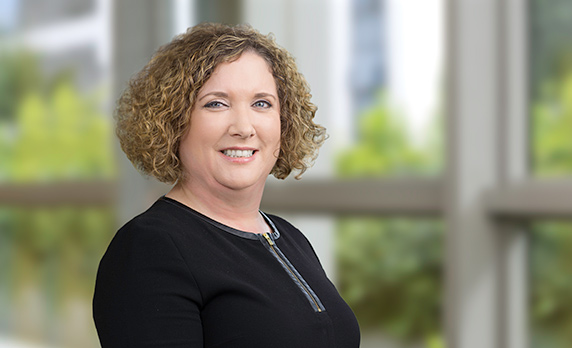
Ann O’Sullivan is currently the Library Manager at A&L Goodbody LLP and has 30 years’ experience of working in libraries in the private and public sector. Ann began her career as a Library Assistant in UCD. She has managed the Diageo Information Centre, based in the Guinness Brewery in Dublin and worked as the Acquisitions & Research Librarian in the Houses of the Oireachtas Library & Research Service before moving to A&L Goodbody LLP in 2016. Ann is an Associate of the LAI, was a member of the A&SL Committee from 2005-2015 (serving as Chair and Secretary) and is currently involved with the LAI ebookSOS task force. Ann is a personal member of BIALL (the British and Irish Association of Law Librarians) and is the current Chair of the BIALL Supplier Liaison Group.
Colm O’Connor, Innopharma Education
Demystifying Publishing: A Librarian-Led Model for Research Dissemination at Innopharma Education
Innopharma Education launched its in-house academic journal, Innopharma Insights, in December 2024. It offers a dedicated, accessible platform for learners, faculty, alumni, and industry partners to share their expertise and practice-based scholarship in life sciences.
The journal recognises learner and faculty expertise, bridging academia and industry in areas like pharmaceuticals, medical devices, digital transformation, and food innovation. Led by the College Librarian as Editor-in-Chief, the editorial process is highly supportive. It centres on developmental feedback, structured templates, and mentoring, guiding first-time authors to transform assessments or professional projects into publication-ready scholarship.
Accessibility is Key. Designed for mature, part-time learners who often view academic publishing as exclusive, the journal demystifies the process through diverse formats like opinion pieces, capstone summaries, and research articles. Volumes 1 & 2 have featured contributions from learners across multiple programs from QQI level 6 to level 9.
Available in print and open-access digital editions (Volumes 1 here and 2 here), the journal enhances discoverability of Innopharma Education research. This strategically positions our scholarly output amid discussions on digitalisation, sustainability, and professional practice. Early outcomes demonstrate a strengthened scholarly identity among contributors, with potential as a replicable model for librarian-led publishing in similar institutions.
Biography
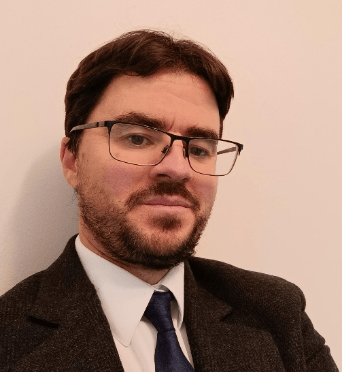
Colm O’Connor is the College Librarian and Research Specialist at Innopharma, where he established the Library service in 2021. As the Institution’s sole librarian, he develops and manages digital information resources, research support services, and plays a significant role in advancing academic integrity initiatives. He holds two master’s degrees from University College Dublin—one in Library and Information Studies and another in the History of International Relations—as well as a Professional Certificate in Digital Information Management. Colm has extensive experience in information literacy, research data management, electronic resource management and the emerging use of generative AI in academic contexts.
Colm has over 15 years of experience in academic libraries, including several roles at the Royal College of Surgeons in Ireland. He lectures on information literacy, research skills, and academic integrity across Innopharma’s collaborative programmes, and is an active member of several academic and research committees. At Innopharma Education, Colm chairs both the Research Group and the AI Research & Productivity Enhancement Group, and serves as Editor-in-Chief of the Innopharma Insights journal. A published author in peer-reviewed journals including An Leabharlann, the Irish Medical Journal and Emergency Medicine Australasia. Colm’s research interests include digital transformation in libraries, academic integrity, and the evolving role of AI in education.
Grace O’Connor & Áine Brennan, DCU Library
Leaving Your Toxic ‘X’: Rebuilding Library Engagement in a Post-Twitter World
In 2024/2025 DCU Library doubled its social media interactions compared to the previous academic year. This is notable: they closed their Twitter account mid-year, and in addition to Instagram they started focusing further on Bluesky and TikTok. All during a global decline in social media use, especially among young adults.
With the collapse of Twitter, and the migration of active followers to other platforms, they needed to rethink how to rebuild their online community. This presentation will share the practical, low-resource strategies they used to reestablish their digital presence and strengthen engagement.
The Outreach and Engagement team moved away from text-heavy images and meme-based videos to content featuring staff and library locations. Collaborations amplified their reach, as did the intentional use of creative tools (ie: Canva, Capcut). Analysis of statistics and consultation with people who are active on social media kept this strategy sustainable.
Áine and Grace will discuss how trends and high quality staff-led content consistently drew more eyes to DCU Library’s posts in spite of social media’s unpredictability. They hope to offer insights for library content creators navigating a post-twitter social landscape, showing how small, intentional changes can build community, boost engagement, and make social media interactions feel more human again.
Biographies
Grace obtained a joint BA in English and History from UCC in 2006, and has worked in libraries for over a decade, starting at Trinity College Dublin, and later joining DCU in 2011. In 2022, she took on the role of Senior Library Assistant for Outreach & Engagement. Professionally, she’s passionate about leveraging social media to promote libraries and ensuring a user-friendly experience for students. In her downtime, Grace enjoys cheese, wine, and classic Simpsons episodes.
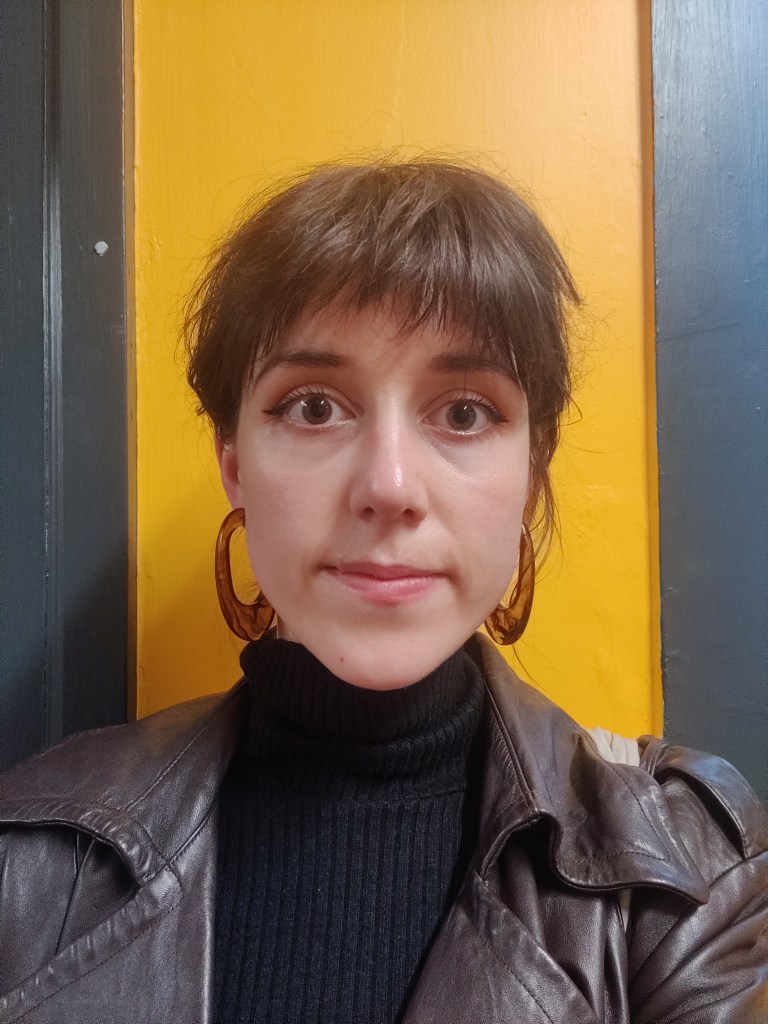
Áine Brennan is a Library Assistant at DCU Library, who works primarily with the Outreach and Engagement team. Her background in Visual Arts (a BA in Fine Art from NCAD and an ongoing practice) informs her creative approach to promoting library resources on social media, exhibition curation, and events planning. She is rarely seen without her beloved bicycle.
Jenny O’Neill, Asiera
Reimagining Librarianship Beyond the Library: Emerging Competencies for National Research Infrastructure
As research practices, technologies, and infrastructures evolve, so too do the skills and identities of librarians. This case study explores how core library competencies, organising information, teaching and community engagement, are increasingly essential within national‑level research infrastructure initiatives. Drawing on her transition from academic librarian to Research Engagement Officer at Asiera, she reflects on how librarianship continues to shape her professional practice, even outside a traditional library setting.
The case study highlights two national projects—EOSC Ireland and Sonraí: Irish Data Stewardship Network—as examples of how librarians contribute to shaping emerging research ecosystems. Through EOSC Ireland, librarianship skills inform stakeholder engagement, governance development and planning for a national node that will connect Irish researchers to European Open Science infrastructures. In Sonraí, a community‑led initiative advancing data stewardship skills and professional recognition, librarians lead curriculum development, micro‑credential design, and community sustainability planning. These projects illustrate how librarianship’s enduring values, openness, equity, collection management and service, align with emerging technological demands and new national competencies. Ultimately, this case study argues that librarians are expanding their reach, embedded in the infrastructures that underpin the future of research.
Biography

Jenny O’Neill is a Research Engagement Officer at Asiera (formerly HEAnet & EduCampus), where she supports the adoption of Open Research practices and the implementation of FAIR data principles across Ireland’s research community. She holds an MLIS from UCD, graduating first in her class, and draws on this strong foundation in information science to help researchers organise, manage, and share their data effectively.
Jenny is actively involved in several national initiatives aimed at advancing Ireland’s research infrastructure. She serves on the Sonraí Committee, Ireland’s data stewardship network, where she contributes to promoting best practices in data management and strengthening professional capacity. Her work centres on making research more open, accessible, and valuable to society through strong communication skills and collaborative partnerships.
Emma Rothwell, Royal Irish Academy (RIA)
Cardigans and Communications: Balancing Traditional Curation with Outreach Demands in 2026
In the age of the “attention economy”, libraries are forced to compete with a host of other entities as they try to promote their collections and services. Austere research libraries used to be infamous for limiting access to the well-connected elite, but now they grapple to be noticed in a world of trending memes, going viral, e-vites, ticketing platforms, webpages, mailshots, reels, posts, branding, tagging, and on and on. Is marketing and communications the librarian’s job? In a small library, there may be no one else to do it. In a large institution, you may worry the library’s story will not be told accurately without your input. The reality is, for researchers to find our collections, we must engage with communications work. This case study will share some of the challenges faced regarding library outreach and communications at the Royal Irish Academy Library over the past two years. It will describe how this work was measured, the decisions made after reviewing the numbers and how we increased footfall by 10%. Finally, the case study will outline how an outreach librarian can infuse their communications with traditional library work and still achieve results in a new information age.
Biography
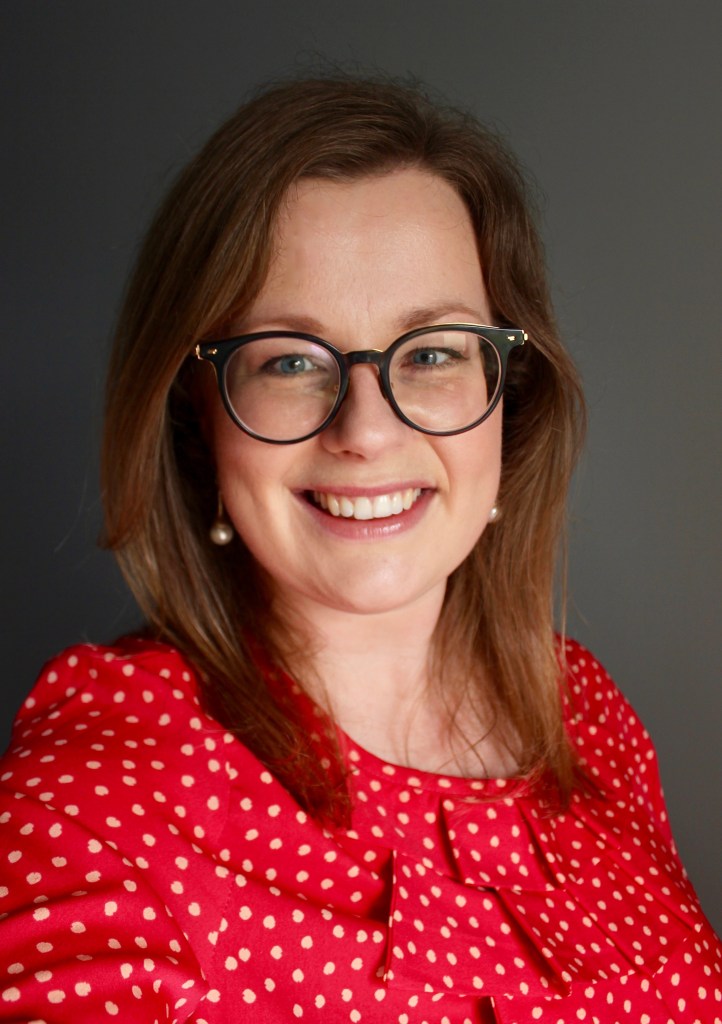
Emma Rothwell is Assistant Librarian at the Library of the Royal Irish Academy (RIA). As well as working within a team to deliver reader services, she has special responsibility for cataloguing and outreach. She co-ordinates the RIA Library social media and delivers tours and master classes. Emma also works closely with the RIA Communications and IT teams to promote the Library, its collections and lunchtime lecture series through the RIA website and newsletters. Prior to her role at RIA, she was an Education Officer at the Chester Beatty, where she worked on public programming and community outreach. She has held roles in Maynooth University Library, UCD Library and the National Library of Ireland. Before qualifying as a librarian, Emma was a post-primary teacher.
Francisa Silva, DBS
Beyond the Technical: Redefining Librarianship Through a Website Redesign Project
Since 2022, the Dublin Business School (DBS) Library faced a major challenge: students frequently expressed difficulty in navigating the library website. If the library’s mission is to provide access to resources, a confusing online experience will act as a barrier and frustrate the people who we are meant to support.
This presentation uses the year-long redesign project of the DBS Library website as a case study to explore the evolving role and key skills needed by modern librarians. Beyond technical skills, the project relied heavily on User Experience (UX) principles and methodologies, such as card-sorting exercises and student focus groups, as well as soft skills like collaboration and negotiation to further ensure its success.
The findings suggest that the role of the librarian is no longer solemnly focused on organising collections, but also to design multiple intuitive pathways for patrons to fulfil their information needs.
Biography
Francisca holds a first-class honours MSc in Information and Library Management from Dublin Business School and a Master’s in Political Science and International Relations from Portugal. While working as a part-time Library Assistant, she was awarded third place in the LIR Show and Tell 2023 competition. After being promoted to eResources Librarian at DBS, Francisca managed the library website and oversaw all online resources. She is now the Research Librarian at DBS, offering research support to students and faculty, serving as an Editorial Assistant for the Applied Research and Theory Journal, and acting as Secretary of the Applied Research and Practice Committee. Francisca is also part of the Academic and Special Libraries Committee, ORI, NAIN, and the LAI/CILIP Conference 2026 Committee.
Beth Tyrell, SETU Carlow
The Make and Mend Library Porject – Sustainability and Community in SETU
The Make and Mend Library project at SETU Carlow is a Community of Practice focussed on sustainable fashion and supported by SATLE funded library resources. These resources include a book collection, a LibGuide, and a lending library of textile making and mending tools and materials.
This project is primarily about creating community, while engendering and promoting a culture of sustainable fashion among SETU Carlow students and staff, through skill sharing and peer support grounded in the Community of Practice (CoP) model. The CoP framework has been shown to support a culture of belonging and to assist with identity development amongst participants and to help participants build expertise through shared practice.
SETU, a recently formed Technological University, is going through a period of rapid change and the library is a vital part of the newly emerging institution. By building community in the library through creativity and sustainable practice this project is promoting and energising student and staff engagement in the library as a learning and community space.
In this case study, insights will be shared about the project conception, the funding application process and the project in practice in the context of a busy technological university.
Biography
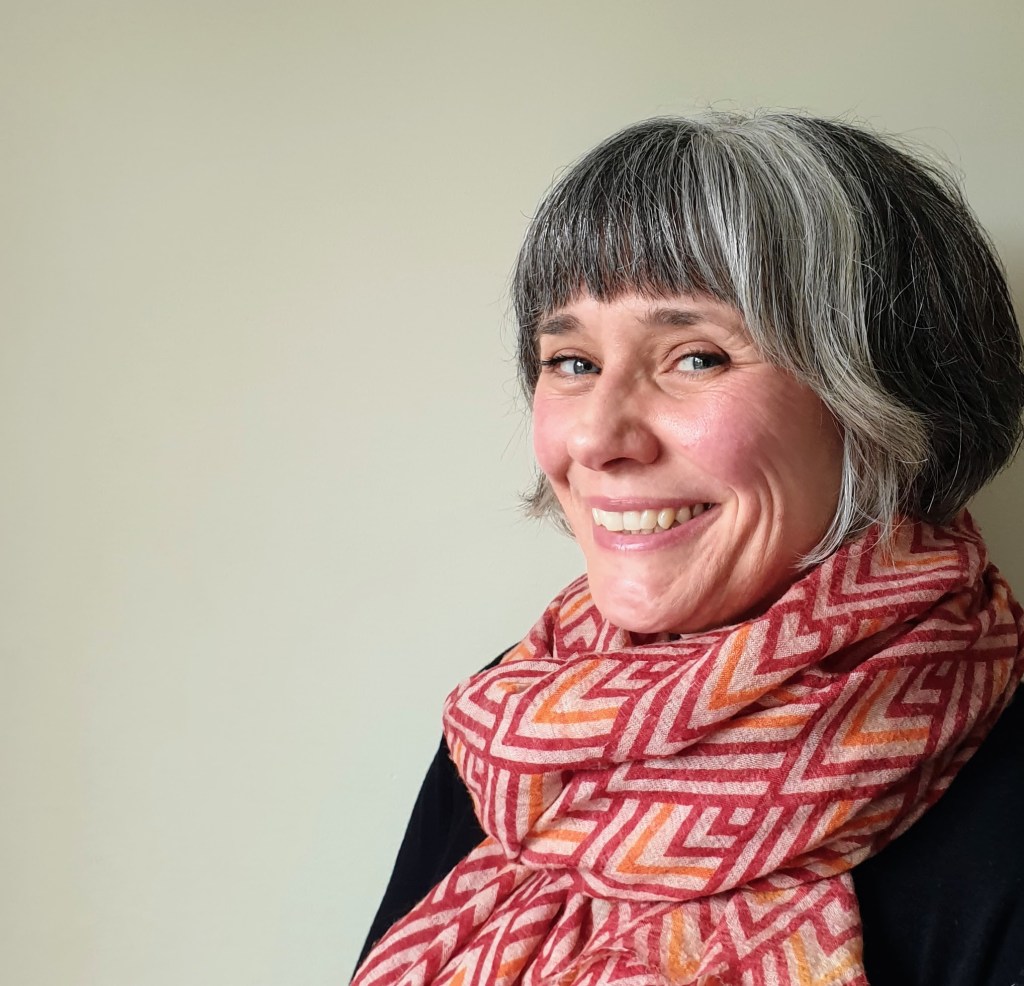
Beth Tyrrell came to libraries as a second career, after working as a writer, editor, and at-home parent. She completed her MLIS in UCD in 2024; she was awarded the John Dean Medal for that year. She now works as the Liaison Librarian for Engineering in South East Technological University (SETU), Carlow.
Dr. Robert Whan, National Library of Ireland
Stewardship, Service and the Space to Imagine: Reframing Librarianship for Today and Tomorrow
While the core values of stewardship, service and access remain central, the contexts in which librarians work are shifting rapidly. This paper reflects on what it means to reframe librarianship for the next generation by drawing on experience across three distinct institutions: the Enlightenment heritage of Armagh Robinson Library, the academic and research-intensive environment of Queen’s University Belfast, and the national cultural mission of the National Library of Ireland. The paper suggests that the future of librarianship rests in how thoughtfully we navigate the space between what we have inherited and what we are becoming.
It will explore how historic models of custodianship can inform contemporary practice, how academic libraries are reshaping services around digital scholarship and user-centred design, and how national institutions are navigating technological change, public engagement and cultural responsibility at scale. Across these settings, librarians are being asked not only to preserve and serve, but also to imagine: to create new forms of value, new partnerships and new ways of connecting people with knowledge.
By examining the ethical foundations, evolving competencies and emerging possibilities of the profession, the paper invites library staff to consider how they might cultivate a practice that is grounded, adaptive and imaginative.
Biography
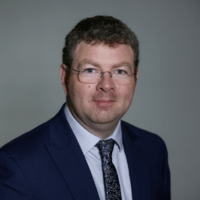
Dr Robert Whan is a library professional, with experience working in academic, heritage and national cultural institutions. Prior to becoming Head of Service Delivery at the National Library of Ireland (February 2026), he was Customer Experience Manager within The Library at Queen’s University Belfast (2023-2026), Director of Armagh Robinson Library (2018-2022) and Assistant Keeper of Collections for Newry, Mourne and Down District Council (2017-2018). His experience spans responsibility for historic collections, research support, public engagement and customer service. Dr Whan is Chair of CILIP Ireland, Co-Chair of the Library Association of Ireland’s North-South Liaison Committee, a National Museums Northern Ireland Board Member, a CSG (Customer Service Group) UK and a CONUL Customer Service Group Committee Member, and a Fellow of both the Royal Historical Society and the Higher Education Academy. He is committed to promoting inclusive, values-driven practice and to strengthening the visibility and impact of library work across sectors.
Poster Presentations
Anne Byrne, Emberly Davey, Hibernia College
Beyond Research: Promoting Engagement and Enjoyment in the Online Library Space
In an online academic library environment, providing students with a meaningful and engaging experience that extends beyond course requirements can be challenging. This poster presents a series of initiatives aiming to enrich student interaction with the online library by incorporating elements of enjoyment, creativity, and community. By implementing initiatives including a virtual library lounge, digital exhibitions, competitions, and regular news features, the online library is reimagined as an interactive environment that encourages exploration and discovery beyond traditional academic use. The poster describes these initiatives and their early outcomes, highlighting their potential to foster enjoyment, promote information literacy, and encourage sustained library engagement beyond academic needs. Although current usage statistics show fair to modest participation, library staff continue to assess and develop new strategies to strengthen student involvement and connection.
Biographies
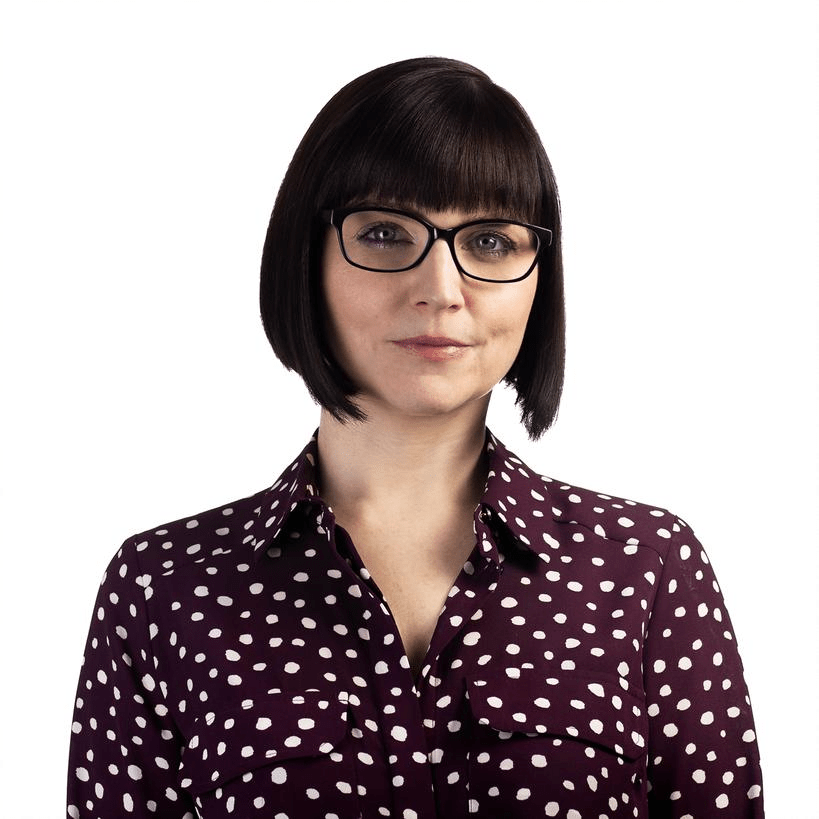
Ann Byrne is the Digital librarian for Hibernia College. She has over 20 years’ experience in academic libraries and previously held positions in TU Dublin, UCD and IICP. Ann has particular interest and expertise in digital libraries, information literacy, open access, digital repository management and academic writing and referencing. Ann is an active member of the HECA Library Group and the HECA Annual Conference Committee. She holds a primary degree and two post-graduate degrees from UCD, including her library and information studies qualification. Ann is also an accredited psychotherapist.
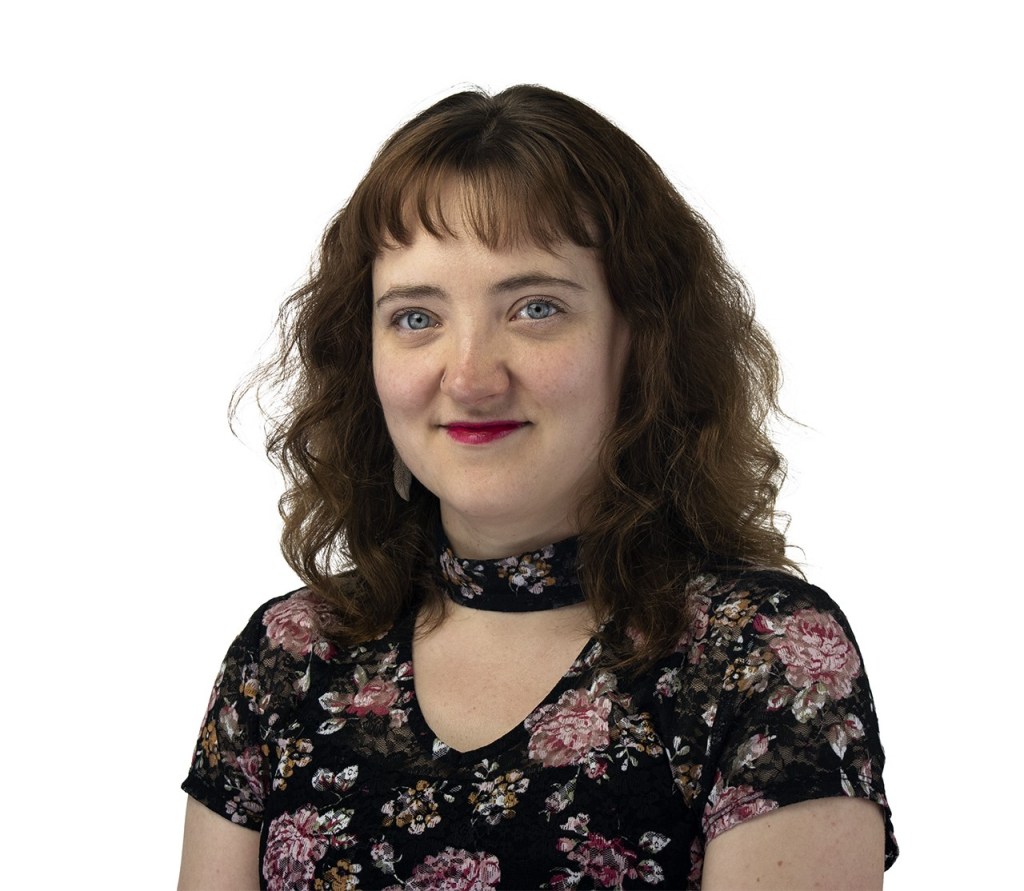
With over 20 years of experience in the library and information profession, Emberly began her career in public libraries in the United States before joining Hibernia College in Dublin as a Digital Library Assistant. She holds a Master of Library and Information Studies (MLIS) from University College Dublin (UCD) and is committed to advancing the role of libraries as dynamic spaces for teaching, research, and lifelong learning. As Chair of the LIR HEAnet User Group, she supports digital innovation across the higher education sector. Emberly actively promotes Universal Design for Learning (UDL) and Open Access, reflecting her commitment to inclusive and equitable information practices. This is reflected as she teaches and trains staff and students in digital technologies and has helped develop a digital literacy open educational resource (OER) to enhance online learning and digital competency.
Sarah Timmins, Maynooth University
Ethics and Expertise: Visual Thinking Strategies as a Tool for Interpretation in Special Collections and Archives Engagement
Librarians in Special Collections & Archives are called upon by researchers and academic colleagues for their knowledge, expertise and insight. Increasingly, there is a demand on librarians to have ever-evolving skills and to be innovative and yet true to core principles. We can incorporate methods from across the arts and heritage sector to our library activities. However, our approaches must be mindful of, and reflective of, our core principles of librarianship. One area worthy of nuanced consideration is the area of interpretation.
Using the approach of Visual Thinking Strategies1 (VTS), a simple framework of open-ended questions to prompt observation and discussion, a Librarian can support a user in understanding the materiality and material culture of collections and guide them towards interpretations, without asserting interpretations directly. The objective is to take a nuanced approach that is mindful of ethics and issues of neutrality in collections interpretation.
To formalise the VTS approach in Special Collections & Archives class delivery, an internal case study was carried out in the Russell Library in collaboration between a library staff member and an academic colleague. A class was co-designed and co-delivered by the lecturer and the librarian for Postgraduate students and feedback was gathered.
Biography
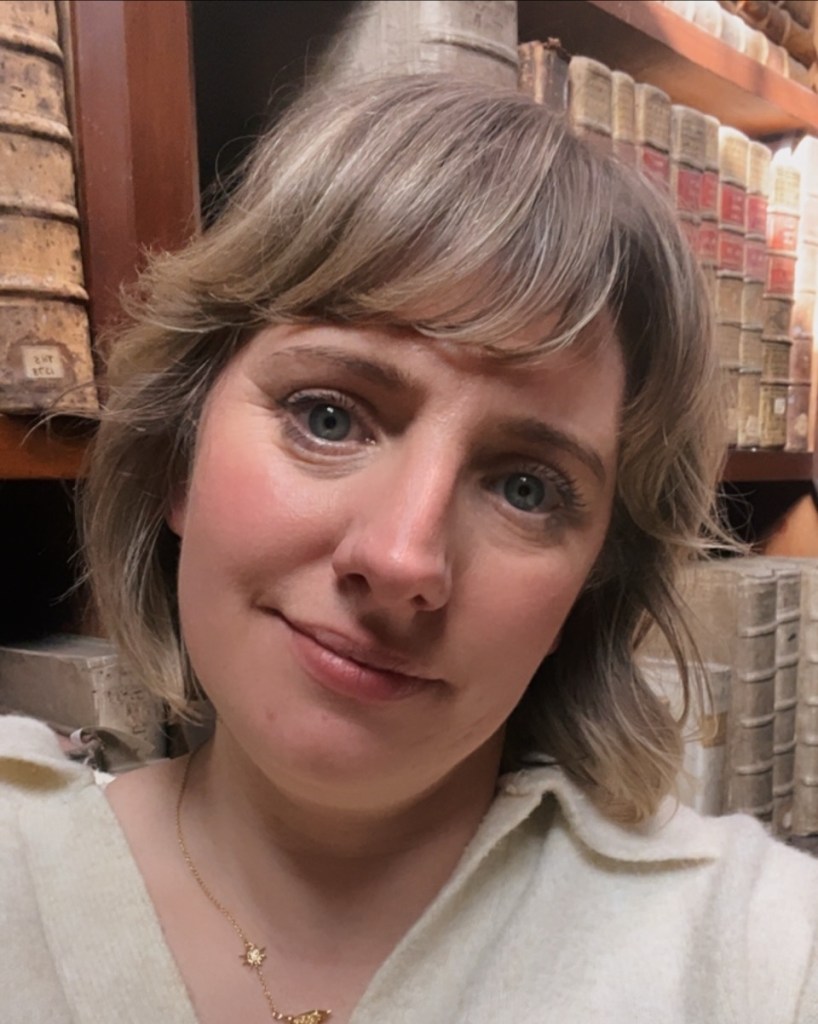
Sarah Timmins is the SLA for Special Collections & Archives in Maynooth University Library. She holds a MSc in Library and Information Management and comes from a teaching background, via preservation, to working with heritage and special collections in libraries and archives for the past 12 years. Her interests include the History of the Book, with a particular passion for uncovering the unusual and sharing the rich diversity contained in collections.
Andrew Ryan, City Education Group
Beyond Perception: Evaluating Assitive Technology Supports for Visually Impaired Students in Irish Higher Education Libraries
The number of students with disabilities in Irish higher education has steadily increased, with over 17% of students registered with a disability (HEA, 2023). Despite significant research on Assistive Technology (AT) in libraries globally, there is limited investigation into the supports available for visually impaired students (VIS) within Irish academic libraries. This study examines AT provision across three institutions—Trinity College Dublin, University of Galway, and Atlantic Technological University—assessing the types of technology available, staff training, and the effectiveness of accessibility measures.
Using case study analysis, the research highlights both strengths and gaps: Trinity College and Galway University provide dedicated AT resource areas, while ATU additionally trains library staff to support VIS onsite, enhancing independence and reducing barriers. Key findings indicate that, while AT provision exists, there is a critical need for more onsite support, designated disability librarians, and increased collaboration with disability organisations to optimise accessibility.
This study provides evidence-based recommendations for library policymakers to improve digital and physical accessibility, ensuring equitable access to information and learning opportunities. The research underscores the vital role of academic libraries in promoting inclusive education and enhancing the academic success of VIS.

Biography
Andrew D. Ryan is an Academic Librarian and Manager (MLIS, University College Dublin) and a published researcher specialising in accessibility, digital scholarship, and inclusive library services. He currently serves as Learning Resource Centre Library Manager & Head of Research at City Education Group, where he leads library teaching and learning initiatives, implements digital library systems, and supports research and curriculum integration. Andrew recently led the end-to-end launch of a new digital library website and catalouging system, overseeing system selection, metadata creation, cataloguing, and the integration of open access eBooks, journals, and academic databases to support student and faculty research. He has extensive experience designing and delivering information and digital literacy instruction, developing online learning resources, promoting Open Access and Open Educational Resources, and curating digital archives and learning platforms. His research explores the role of assistive technologies in Irish higher education and is published in the Irish Journal of Academic Practice. Andrew is committed to equitable access to information and inclusive service design.
Joanne Touhey-Francis, Castlerea Library
Between Access and Automation: Emerging Technologies, Ethics, and Everyday Library Practice
As academic and special libraries bring in new technologies such as AI, automation, and data-driven systems, librarians are often expected to adapt quickly. This poster looks at how these changes actually show up in day-to-day library work, with a focus on ethics, access, and professional judgement. Instead of concentrating on particular tools, the poster focuses on the human work behind technological change: helping users who find automated systems confusing, supporting access in increasingly digital spaces, and dealing with concerns around privacy, bias, and exclusion. Drawing on experience in academic library settings, it shows how technology can be both helpful and challenging, particularly in libraries that aim to be places of trust, care, and inclusion. The poster suggests that librarians are not simply rolling out new systems, but constantly making ethical decisions about how technology is used. By focusing on lived experience rather than innovation buzzwords, it invites reflection on how libraries can move forward with technology while staying true to the values at the heart of librarianship.
Biography
Joanne is a writer and early-career library professional whose work explores themes of memory, trauma and resilience. Her writing has appeared in The Stinging Fly, Tír na nÓg and The Waxed Lemon, and she won the 2024 Write By The Sea Memoir Competition for an excerpt from her memoir. She recently completed a PhD in Literary Practice at Trinity College Dublin, where she wrote a memoir that examines childhood trauma, generational abuse and the long work of healing. She currently works as a branch librarian in Castlerea.
Niamh McHenry, Marino Institute of Education
From Guest Star to Series Regular: A Practice-Based Reflection on Moving from One-Off Library Instruction Sessions to Embedded Library Classes
This poster presents a practice-based reflection exploring the professional transition from one-off library instruction sessions to embedded library classes. With respect to the conference themes, this poster examines the reshaping of the professional identity, reflecting on the role of a librarian from a background service provider, that is sought out by engaged students, to an active collaborator in their lecture halls embedded into the curriculum, reaching a broader student audience.
Drawing on professional experience, the poster explores how embedded teaching supports key skills and emerging competencies for librarians, such as pedagogical design and relationship-building with faculty. It also considers the challenges of delivering embedded classes. These include the role of librarian being misunderstood or underappreciated, negotiating boundaries between librarians and lecturers, and aligning with institutional strategies. By reflecting on the opportunities and challenges that embedded teaching presents, the poster aims to encourage and advise on embedded library instruction and looks to the future of professionals working in library instruction.
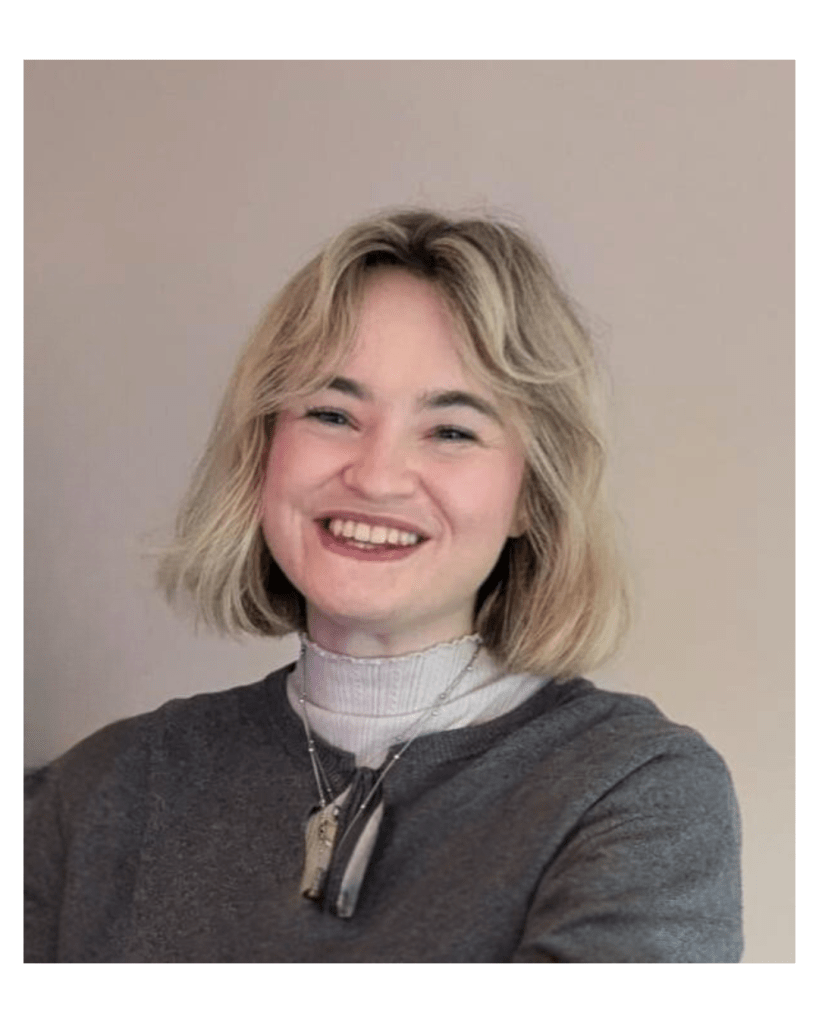
Biography
Niamh McHenry started her career in libraries at Dublin Business School where she managed the library’s social media account and delivered outreach initiatives. Later, she was promoted to Digital Literacy Librarian. Her time at Dublin Business School sparked her interest in all things library instruction, information literacy, and library outreach. During this time, Niamh was also a
Senior Editor for the DBS Applied Research and Theory Journal. Niamh is now the Teaching, Outreach and Engagement Librarian at Marino Institute of Education. Combining her interests in outreach and library instruction, she manages the library’s social media presence, organises outreach initiatives, and delivers embedded classes. Niamh has been a member of the Academic and Special Libraries Committee since 2025 and enjoys being an active member of the Irish library community.
 A&SL
A&SL 